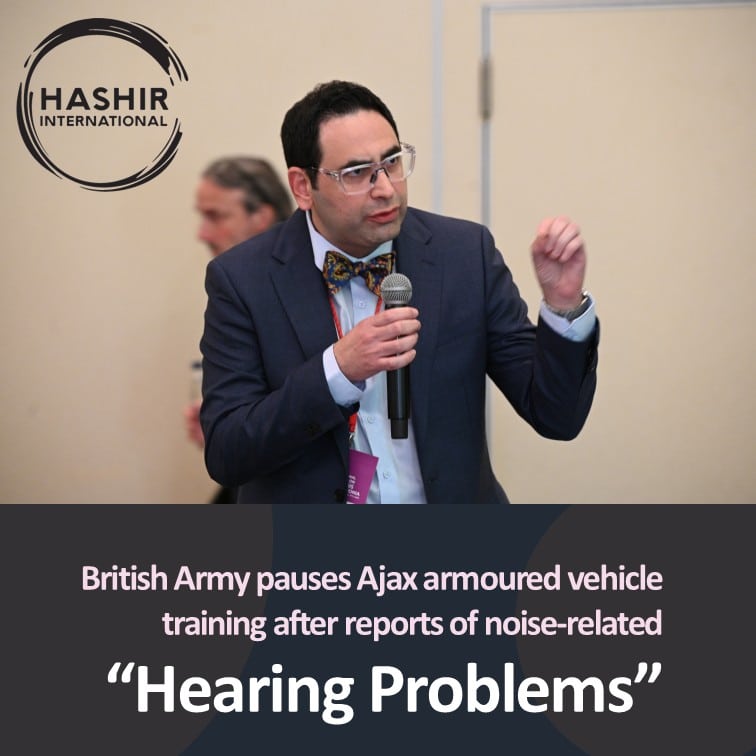
The British Army has temporarily paused training involving the Ajax armoured fighting vehicle following reports that a number of soldiers became unwell during a recent exercise. Reports describe symptoms such as nausea, vomiting, tingling sensations in the hands, ringing in the ears and episodes of shaking that were difficult to control. The Ministry of Defence has described the decision to suspend training as precautionary while a safety review is carried out. Most of the soldiers involved are understood to have been medically cleared, while a smaller number continue to receive specialist care.
No information has been released regarding specific medical diagnoses. Hashir International emphasises that this incident highlights a wider scientific reality. Intense noise and vibration exposure can affect the body in multiple interconnected ways. The auditory system is closely linked to balance, sensory and pain pathways, the stress response, sleep regulation and emotional processing. When exposure exceeds an individual’s tolerance threshold, the effects can be physical, neurological and psychological.
Individual variability plays an important role in how people respond to noise and vibration. Two people can be exposed to the same environment yet respond differently because biological and psychological factors influence how sensory information is processed. In simple terms, some individuals are more noise sensitive and some are less noise sensitive, and some people’s bodies are more vulnerable to being affected by noise. The concept of noise sensitivity was first recognised in research conducted by the National Aeronautics and Space Administration (NASA) in the 1970s while studying the effects of expanding airfields on communities living nearby. Researchers observed that aircraft noise caused significant distress for certain groups of people but not others and later identified that those who were most affected had higher levels of noise sensitivity.
Dr Hashir Aazh, Director of Hashir International, said: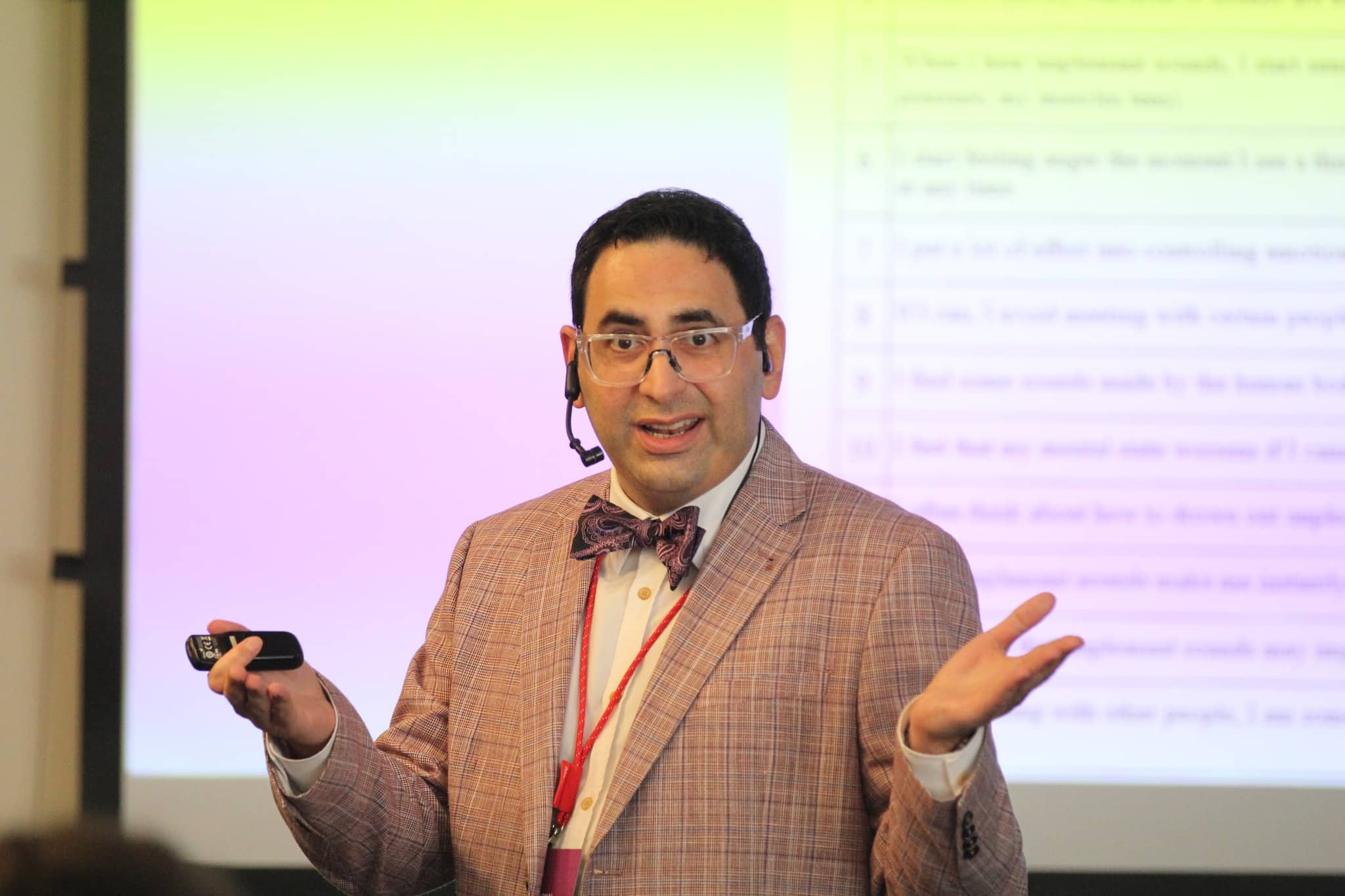
“Once noise exposure exceeds what the body can tolerate, the effects are not limited to the ears. Loud noise can damage the inner ear and lead to hearing loss and tinnitus, but it can also activate stress pathways that affect many other organs. The cardiovascular system can be placed under strain because stress hormones raise blood pressure and heart rate and over time this can increase the risk of heart disease and stroke. The brain can also be affected, with noise interfering with sleep, concentration, memory and emotional balance.
The vestibular system, which regulates balance, can become disrupted, and long-term stress activation can alter hormone levels and weaken immune function. Emerging research suggests that noise can influence the gastrointestinal tract, liver, kidneys and even respiratory and reproductive health, which shows that noise exposure is not only a hearing issue but a whole-body issue. Supporting people who work or train in high noise environments means recognising these mechanisms and responding quickly when symptoms appear.”
Dr Fatma B. Kula, Post Doctoral Research Fellow at the Hashir International Research Institute for Misophonia, Tinnitus and Hyperacusis, explained that recent research is helping to improve assessment for people who experience difficulties with sound. She tested the Sound Sensitivity Symptoms Questionnaire version 2 known as the SSSQ2, which was developed at Hashir International in collaboration with the University of Surrey. The SSSQ2 is a brief clinical tool designed for use by audiologists and other healthcare professionals. It screens five different forms of sound sensitivity, which are loudness hyperacusis, pain hyperacusis, fear hyperacusis, misophonia and noise sensitivity. The questionnaire can be completed in less than two minutes and is recommended as part of routine screening in settings where personnel may be exposed to high levels of noise and vibration. It can also be used to assess sound related symptoms when they occur so that support is provided at an early stage. The research results are available here: https://www.mdpi.com/2076-3425/15/1/16. The findings show that these subtypes of sound sensitivity differ in the way they influence emotions, perception and behaviour. This supports the need for personalised assessment and treatment rather than a single uniform approach.
Exposure to intense noise can affect hearing, concentration, balance, sleep and stress regulation. In some cases symptoms may persist after the initial event and have a significant impact on long term wellbeing. Early assessment helps ensure that individuals receive support as soon as symptoms emerge rather than waiting until problems become entrenched.
Hashir International highlights the importance of strong clinical pathways in environments where noise and vibration exposure are common, including defence, aviation, emergency services and construction. Prevention, monitoring and evidence-based rehabilitation can help safeguard sensory and neurological health to the same standard that physical and musculoskeletal health is protected.
Dr Aazh added:
“Supporting those who serve includes supporting their sensory wellbeing. Scientific understanding can guide prevention, early assessment and rehabilitation so that individuals who experience noise related symptoms receive the right care at the right time.”
Hashir International encourages ongoing collaboration among defence medical services and occupational health professionals and research partners to ensure that individuals exposed to intense noise or vibration receive timely and effective support rooted in scientific evidence.
London, UK, November 26, 2025.
About Hashir International
Hashir International is a specialist clinical and research organisation focused on tinnitus, hyperacusis, misophonia and complex sound related disorders. Through clinical services, professional education and international research collaborations, the organisation aims to improve outcomes for people experiencing auditory and sensory distress.
Press Contact
Media Office, Hashir International
Hashir International Institute,
167-169 Great Portland street, 5th Floor, London, W1W 5PF, United Kingdom
0203 930 9523