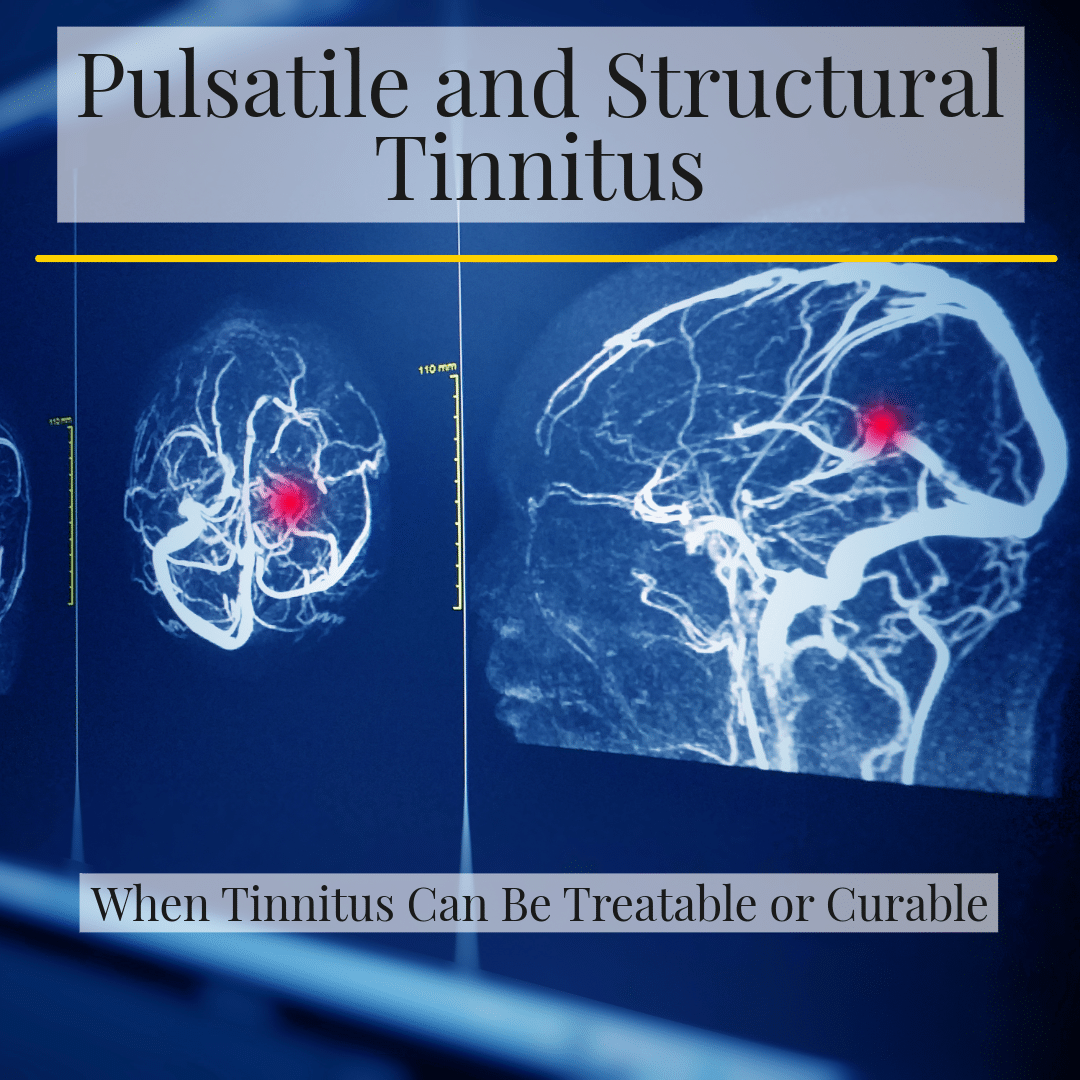
Not all tinnitus is the same. While many people experience a constant ringing or buzzing sound, some notice a rhythmic noise that follows their heartbeat or a sound linked to head position, pressure, or movement. Research over the past year shows that these forms of tinnitus often have identifiable and sometimes treatable causes.
What is pulsatile tinnitus?
Pulsatile tinnitus is typically described as a rhythmic sound that matches the heartbeat. Unlike more common forms of tinnitus, it is often linked to blood flow or structural changes near the ear.
Research now clearly shows that pulsatile tinnitus should be treated as a distinct condition, rather than a variation of typical tinnitus. This distinction is important because it changes how assessment and treatment are approached.
Venous causes are increasingly recognised
Many recent studies focus on venous causes of pulsatile tinnitus, including changes in veins near the ear. Advances in imaging techniques, such as high-resolution CT scans and specialised MRI scans, now allow clinicians to detect subtle abnormalities that were often missed in the past.
As a result, more people are receiving clearer diagnoses and, in some cases, targeted treatment options that were not previously available.
Arterial causes need careful attention
Although less common, arterial causes of pulsatile tinnitus are clinically important. These can involve abnormal blood flow or connections between blood vessels.
Early identification matters, not only because treatment may improve tinnitus, but also because some arterial conditions carry health risks beyond hearing symptoms. Research highlights the importance of timely referral and coordinated assessment involving ear specialists, radiologists, and other medical teams when needed.
Structural causes of tinnitus
Structural changes in the bones of the inner ear can also cause tinnitus. Conditions such as third-window syndromes may lead to a combination of symptoms, including sound sensitivity, dizziness, pressure-related symptoms, and tinnitus.
In carefully selected cases, surgical treatment can lead to significant improvement or resolution of symptoms. Recent research shows high success rates when diagnosis is accurate and patients are appropriately assessed.
Why structured assessment matters
One of the most important findings from recent research is that systematic diagnostic pathways make a real difference. When people with suspected pulsatile or structural tinnitus undergo targeted imaging and structured evaluation, a treatable cause is found in a substantial number of cases.
This challenges older assumptions that pulsatile tinnitus is rare or that “nothing can be done”.
The emotional impact is real
The rhythmic and intrusive nature of pulsatile tinnitus often causes significant anxiety, especially when people worry about serious underlying problems. Research shows that clear explanation and diagnosis are often therapeutic in themselves, even when no intervention is required.
Understanding what is happening, and what is not happening, can significantly reduce fear and distress.
What this means for you
This growing body of research shows that tinnitus is not a single condition. Some forms, particularly pulsatile and structural tinnitus, require different assessment pathways and may respond to targeted treatments.
Recognising these subtypes allows care to move beyond symptom management toward identifying underlying causes and, in some cases, achieving substantial improvement or cure.
At Hashir Tinnitus Clinic, we place strong emphasis on careful assessment and appropriate referral when pulsatile or structural tinnitus is suspected, ensuring that potentially treatable causes are not overlooked.
If you would like to explore this research in more detail, you can read the Annual Tinnitus Report 2026, which brings these findings together.
Read the full Annual Tinnitus Report 2026 here:
https://hashirtinnitusclinic.com/news/annual-tinnitus-report/
If you would like to discuss whether your tinnitus symptoms may suggest a treatable subtype, we are always happy to explore this with you during an appointment.