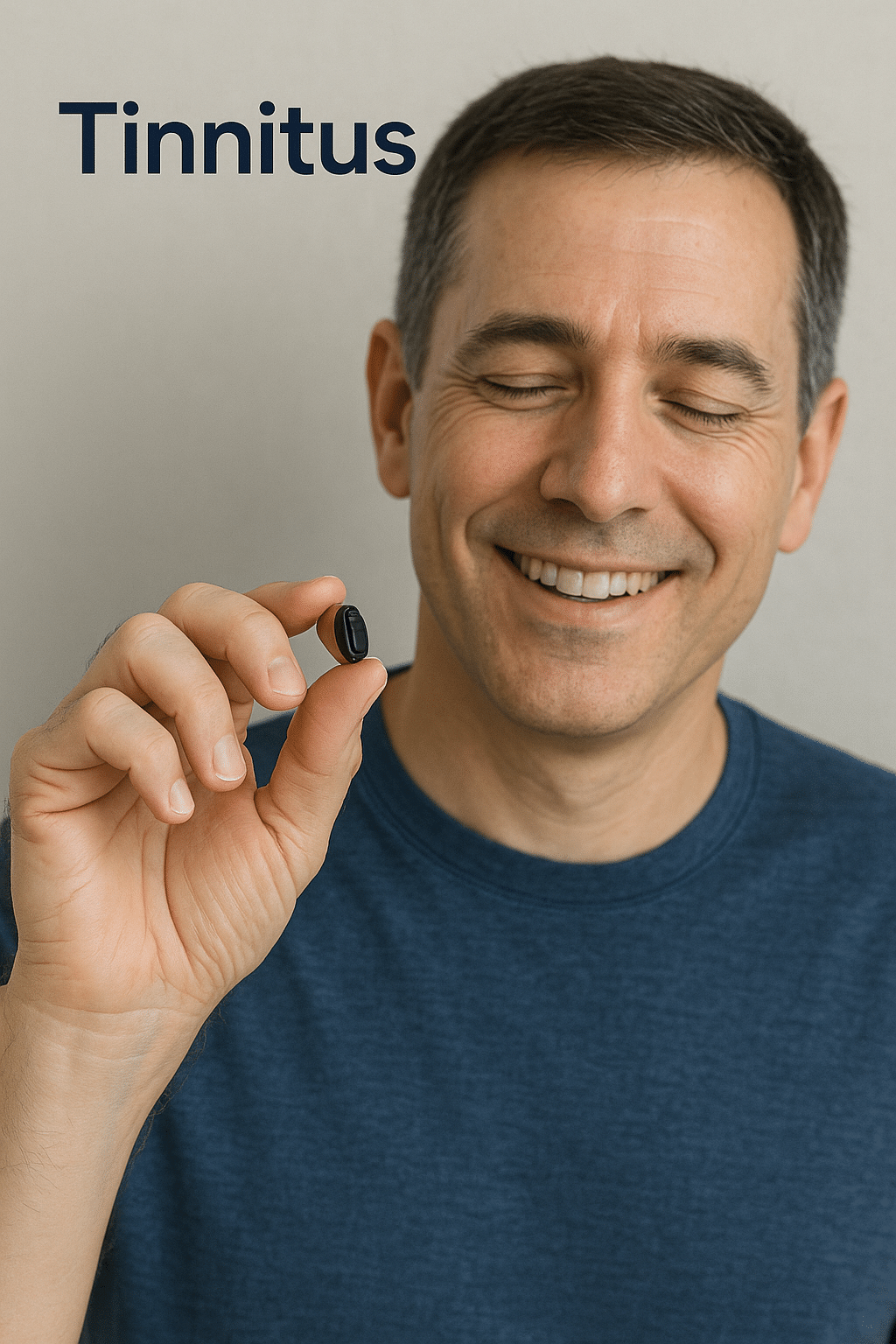
A major international study published in the International Journal of Audiology has confirmed that conventional, properly verified hearing aid fittings are as effective for tinnitus relief as more experimental sound therapies—while offering superior hearing outcomes.
The randomised controlled multicentre trial compared three hearing aid fitting strategies for people with both tinnitus and hearing loss:
Over 100 participants were followed for up to 12 months across multiple clinical sites. All three groups reported significant reductions in tinnitus distress following hearing aid fitting. However, there were no differences between the three strategies in tinnitus outcomes. Crucially, participants fitted with conventional amplification achieved better speech understanding than those fitted with notch or increased-gain strategies.
The authors concluded that verified, conventional amplification “provides the optimal balance between tinnitus relief and hearing performance.”
What this means for patients and clinicians
This research reinforces a core principle of modern tinnitus care: accurate, evidence-based hearing aid fitting remains the most reliable first step in tinnitus management. While specialised sound therapies such as notch or pitch-based adjustments have been marketed as tinnitus-specific solutions, they do not appear to improve outcomes beyond standard verified amplification—and may compromise hearing clarity.
At Hashir International Institute and The Hearing Well Practice, tinnitus and hyperacusis care is built on this scientific foundation. Our approach combines best-practice audiological fitting with Cognitive Behavioural Therapy (CBT) to address both the auditory and emotional dimensions of tinnitus. The findings of this study affirm that robust hearing care and psychological support work best when applied together, rather than relying on unproven modifications.
Full citation
Waechter, S., Timmer, B. H. B., Olovsson, M., Pettersson, P., Frawley, L., Ibertsson, T., … Jönsson, A. (2025). Conventional hearing aid amplification, notch therapy, or increased gain at tinnitus pitch: a randomised controlled multicentre study. International Journal of Audiology, 1–24. https://doi.org/10.1080/14992027.2025.2544152